
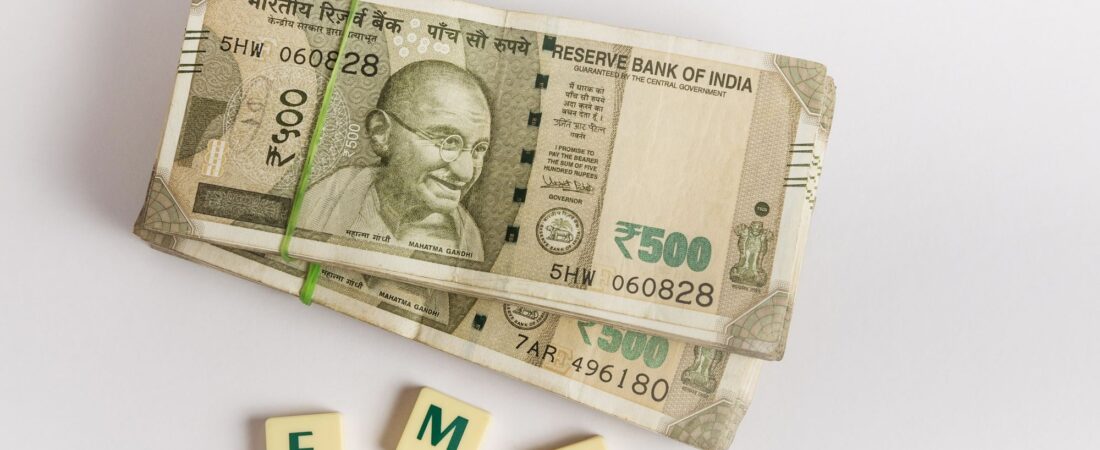
Missing a personal loan EMI can trigger extra penalties, lower your credit score, and make it harder to secure future loans. What seems like a single missed payment at first can become overwhelming as the delay drags on and makes it harder for you to manage your debts.
However, understanding what happens when you miss an EMI helps you manage the consequences, protect your credit profile, and get your finances back on track. In this article, we explain what happens when you miss a personal loan EMI, its consequences, and how you can minimize the impact.
Key Takeaways:
- Missing a personal loan EMI can lead to late payment charges, additional interest, and a negative impact on your credit score.
- Repeated payment delays may affect future loan eligibility and can lead to recovery proceedings.
- Lenders must follow RBI guidelines and cannot use threats, harassment, or misleading practices to recover dues.
- Contact your lender immediately to understand outstanding dues and discuss repayment or restructuring options.
- Create a monthly budget, set up EMI reminders, and maintain an emergency fund to avoid missed payments.
- Pay future EMIs on time and check your credit report regularly to rebuild your credit score.
- Use a personal loan EMI calculator to assess affordability and borrow only what you can comfortably repay.
What is an EMI (Equated Monthly Installment)?
An Equated Monthly Installment (EMI) is a structured repayment mechanism lenders use to facilitate loan repayment, including personal loans. They are called “equated” because the amount you pay every month typically stays the same throughout the loan term. An EMI covers both the principal (part of the original loan amount) and the interest charged on the outstanding balance.
When you take a loan, you repay the money plus interest. But instead of paying it all at once, EMIs let you split the total into smaller, manageable amounts paid at regular intervals, gradually reducing the outstanding loan balance. This system makes repayments predictable and helps borrowers manage their finances more effectively.
The EMI is calculated using this formula:
EMI = [P × R × (1+R)^N] / [(1+R)^N-1]
Here:
P stands for the principal loan amount.
R is the monthly interest rate (annual rate divided by 12).
N stands for the total number of monthly installments.
Know Your EMI Before You Apply: Calculate your monthly EMI to estimate repayments and compare loan options to plan your loan like a pro!
Why is Paying the EMI on Time Important?
Paying your EMIs on time is vital for keeping your finances stable and your credit score healthy. Delayed payments hurt your CIBIL score and can negatively impact your ability to borrow in the future. Consistently paying on time shows you are a responsible borrower and builds a strong credit history, making you eligible for future loans. On the other hand, missing an EMI can lead to late fees, increase your overall debt, and lower your credit score.
Benefits of Paying Your Personal Loan EMIs on Time:
- Keeps your credit score healthy
- Helps you avoid any extra costs and penalties
- Saves you from loan default
- Boosts the chances of future loan eligibility
- Reduces financial stress
- Keeps your debt in check
Bonus Tip: To keep things easy, set up an automatic debit or a quick payment reminder so you never miss a due date
Move closer to your goals: Explore KreditBee’s personal loans to fund your dreams!
What Happens If You Miss Personal Loan EMI Payment?
Missing a personal loan (EMI) can lead to penalties, a lower credit score, and much more that can impact your financial health and overall well-being. Here are a few consequences that you may have to face when you miss your personal loan EMI:
Penalties and Extra Fees
When you miss a personal loan EMI, your lender may charge late fees or penalties, depending on your loan agreement. These extra charges add to your financial burden, and they can also impact your credit score.
Your credit score is a key indicator of your creditworthiness, and lenders often use it to assess your eligibility for future loans or credit cards. A missed EMI can lower your credit score, making it harder to secure favorable credit terms in the future.
Missed EMIs can increase your overdue balance and also trigger reminders from lenders for the unpaid amount. Further, any ongoing delays are reported to credit bureaus that can affect future loan approvals. If the dues remain unpaid, the lender may also initiate recovery proceedings as permitted by law and your loan agreement.
Mounting Interest and Debt
Missing a single EMI might not feel like a big deal at first, but it can lead to bigger problems in the long run. Personal loans accrue interest on the outstanding balance, and thus even a single missed EMI adds unpaid interest directly to your principal.
This increases your total outstanding debt and makes future payments harder to manage. The longer you delay payment, the more interest piles up, worsening your financial situation.
Legal Action and Collection Agencies
If the missed EMI remains unpaid for an extended period, lenders may contact you through collection calls and may also start legal recovery proceedings to recover the outstanding amount. This could involve filing a lawsuit against you and seeking a court order to recover the debt.
Lenders might also hire third-party collection agencies to follow up on missed payments. These agencies can be relentless and often use aggressive tactics that add to the stress in an already challenging situation.
According to data reported by The Economic Times in July 2026, complaints against banks concerning recovery agencies doubled, jumping from 8,623 in FY 2024-25 to 18,021 in FY 2025-26. While not all these complaints involved harassment, it shows how things worsen when third-party collection agencies enter the picture.
Thus, fair practices and transparency are integral to the borrowing experience. With KreditBee, you can find relief in such a scenario because the company practices responsible collection methods and transparent communication to help borrowers facing repayment difficulties.
Credit Score Deterioration
Lenders share your repayment history with credit bureaus, which track your payments, including any late or missed payments. Because this data is a key factor in determining your CIBIL score, a single missed payment can drop your score by 50 to 70 points and limit your ability to get a loan in the future.
Further, lower credit scores can increase interest rates on future loans and may even lead to the direct rejection of loan applications. Thus, missing an EMI can create a financial setback that lingers for years.
Strained Relationships with Lenders
Banks and financial institutions prefer responsible borrowers with a strong repayment record. Missing an EMI can damage your relationship with your lender and make them doubt your ability to manage debt effectively.
A Mint report from June 10, 2025, highlights that personal loan interest rates in India vary significantly, ranging from 9.99% to a whopping 36%, and depend on the borrower’s credit profile. As a result, borrowers with lower credit scores may face higher interest rates and could even have their loan applications rejected.
Psychological and Emotional Stress
Financial stability and mental well-being are closely linked. As per a report, 17% of Indians deal with financial stress. Missing a personal loan EMI doesn’t just affect your bank balance; it also deeply impacts your mental and emotional health. The endless thoughts about debt repayment, fear of legal consequences, and the impact of ruining your credit score can lead to anxiety, sleeplessness, and emotional distress.
What Do the RBI Guidelines Say About the Loan Recovery Process?
The RBI has set specific guidelines to prevent harassment and protect borrowers from unfair practices by lenders and recovery agents. Here are the rules that you need to know:
No harassment or intimidation
Banks and recovery agents are strictly prohibited from using physical or verbal threats, anonymous and threatening calls, public humiliation, and are also restricted from invading the privacy of family members.
Identification and Authorization
Borrowers should be informed of the recovery agency handling their case. Recovery agents should also carry a copy of the notice, authorization letter, and proper identification during the recovery process. Also, if the recovery agency changes, the borrower should be notified.
Recovery during pending complaints
When a borrower has lodged a complaint, banks should wait before handing over the borrower’s case to a recovery agent. However, if the complaint is found to be vexatious, banks can proceed ahead with the recovery process. Banks must exercise proper precautions when a loan dispute case is pending before court.
Legal recovery procedure
Lenders must follow legal protocols for the recovery process. They cannot use unlawful tactics or illegally seize property in the name of loan recovery.
Borrowers can raise complaints
Banks should have a proper system to handle borrower grievances about their loan recovery methods. When providing information about the recovery agency, banks should also explain how to file a grievance, if required.
How to Mitigate the Consequences of a Missed EMI Payment?
To mitigate the consequences of missed EMIs, contact your lender as soon as possible and explain the reason for the missed payments, asking for a grace period or other temporary relief options. Below are the steps you can take to mitigate the impact and regain control over your financial situation:
Communicate with the Lender
If you miss an EMI, notify your lender without delay. Explain why you missed the payment and find out the dues, penalties levied, and available repayment options. By informing them early, you can understand your obligations, the outstanding amount, and your options before charges increase.
Negotiate with the Lender
If you are facing a temporary financial setback, talk to your lender about restructuring your loan or revising your repayment schedule. Depending on your situation and your lender’s policies, they may offer a flexible arrangement or another appropriate repayment schedule. But make sure you know whether any such arrangement comes with extra fees, a longer loan term, or higher total interest costs before you sign anything.
Prioritize your Payments
If you are juggling several bills, focus on the essentials first, such as housing, food, utilities, and medicine. Analyze your dues, maturity date, and interest rate to understand how you can use your available money. If you can’t afford an EMI right now, call your lender instead of ignoring the overdue payment.
Create a Budget
Set up a monthly budget that tracks your income, essential costs, discretionary spending, and debt obligations. This will help you identify unnecessary payments and estimate how much you have available for future EMIs. Payment reminders can also help you avoid missing an installment.
Build an Emergency Fund
An emergency fund can help you manage unexpected costs without compromising your loan repayments. Start small by saving regularly, and aim to build a reserve that can cover three to six months of living expenses.
Try to Consolidate Your Debt
If you manage several loans, see whether debt consolidation can simplify things. But compare interest rates, processing fees, and the total cost of borrowing before moving forward.
Seek Professional Help
If your financial struggles feel overwhelming, consider consulting a qualified financial advisor or a reputable credit counseling agency. They can help you review your financial situation, prioritise your debts, and create a realistic repayment plan. They can also guide you if you feel your lender has applied incorrect charges or used unfair collection methods.
Focus on Rebuilding Credit Score
Once you have addressed your overdue payments, you should aim to maintain a consistent track record to build a good credit score. To do this, pay your future EMIs and credit card bills on time, keep your credit utilization in check, and regularly review your credit report for errors.
Struggling To Manage Your EMIs? Explore Your Options With KreditBee
Missing a personal loan EMI isn’t something to take lightly; it can lead to unexpected fees, damage your credit score, and make it much harder to get approved for future loans. The good news is that you can navigate these challenges. Start by contacting your lender to discuss your options, and review your monthly budget to avoid falling behind again.
By understanding your EMI, using a personal loan EMI calculator, and contacting your lender early, you can manage missed payments better and get your finances back on track. Borrow only what you can comfortably afford to stay in control and avoid the stress of missed payments. KreditBee offers various personal loan options to suit your financial situation.
Planning to take a personal loan? Explore KreditBee‘s personal loan options and check your EMI affordability before applying.
Frequently Asked Questions
For how many days can you delay an EMI for a personal loan?
Ans: There is no such universal grace period for missing an EMI on a personal loan. Any extra time to make payments depends entirely on your loan agreement and your lender’s policies.
Can a missed EMI hurt my credit score?
Ans: Yes, missed EMIs and late payments can adversely affect your credit score and cause it to drop.
What happens if I miss a single EMI on my personal loan?
Ans: Missing an EMI can result in frequent reminder calls from the lender and additional penalties.
Can I be arrested for not paying a loan EMI in India?
Ans: Not repaying a loan directly does not land you in jail, but you have to face legal consequences. Further, if the court finds that your case involves fraud or a criminal offense, it can punish you under its jurisdiction.
Can I pay my EMI after the due date?
Ans: Yes, you can pay the EMI after the due date, but this attracts late payment fees, which add to your financial burden.
Can a missed EMI lower my chances of seeking a new loan?
Ans: Yes, missed payments can damage your credit score and your repayment track record, both of which lenders look at closely while sanctioning a loan.
What happens if EMI autodebit fails?
Ans: If your EMI autodebit fails due to a shortage of funds in your account, the EMI is marked as unpaid and may report the overdue amount to credit bureaus. In that case, check your account and contact your lender immediately to make the payment.
Can I fix my credit score after missing an EMI?
Ans: Yes, you can fix your credit score after missing an EMI by ensuring that every future EMI is paid on time.
Can a lender take legal action if I stop paying my EMIs?
Ans: Yes, lenders can initiate legal proceedings to recover unpaid loans.